



Is LED High Bay Light energy - efficient?
Oct 28, 2026
Leave a message
Hey there! As a supplier of LED High Bay Lights, I often get asked whether these lights are actually energy - efficient. Well, let's dive right into it and find out.
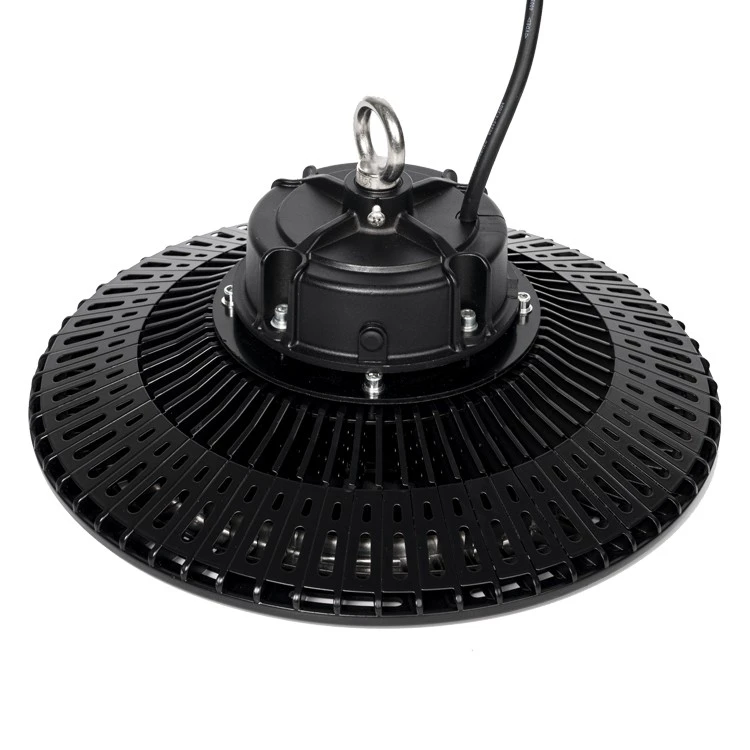
First off, let's understand what LED High Bay Lights are. These are high - intensity fixtures typically used in large indoor spaces like warehouses, factories, gyms, and big retail stores. They're designed to illuminate large areas from a high mounting point. You can check out our range of LED High Bay Light on our website.
Now, let's talk about energy efficiency. Energy efficiency is all about getting the most light output for the least amount of electrical energy input. And LED High Bay Lights are real champs in this department!
One of the main reasons LED High Bay Lights are so energy - efficient is their high luminous efficacy. Luminous efficacy is a measure of how well a light source converts electrical power into visible light. LEDs have a much higher luminous efficacy compared to traditional lighting sources like fluorescent and metal halide lamps. For instance, traditional metal halide lamps might have an efficacy of around 70 - 100 lumens per watt. In contrast, a good quality LED High Bay Light can easily achieve an efficacy of 130 - 150 lumens per watt or even higher in some cases. This means that for the same amount of electrical power consumed, LED High Bay Lights can produce a lot more visible light.
Another factor contributing to the energy efficiency of LED High Bay Lights is their directional lighting. Unlike traditional bulbs that emit light in all directions, LEDs are highly directional. They focus the light exactly where it's needed, rather than wasting energy by shining light into areas where it's not required. This targeted lighting approach is great for large spaces like warehouses. You can direct the light downwards onto the work areas, reducing light spillage and ensuring that every bit of light produced is actually useful.
LED High Bay Lights also have a very long lifespan. On average, they can last up to 50,000 hours or more. In comparison, traditional metal halide lamps might only last for about 10,000 - 15,000 hours. A longer lifespan means fewer replacements. When you're changing lights less frequently, you're not only saving on the cost of new bulbs but also on the labor cost associated with replacing them. And let's not forget that manufacturing and disposing of bulbs also consume energy. So, by reducing the number of replacements, you're indirectly saving energy in the long run.
Moreover, LEDs are dimmable. Most LED High Bay Lights can be easily dimmed, which allows you to adjust the light output according to your needs. For example, during off - peak hours in a warehouse, you can lower the light intensity, thus saving a significant amount of energy. Some advanced LED High Bay Lights also come with smart controls. These controls can be programmed to turn the lights on and off based on occupancy sensors or daylight sensors. If there's enough natural light coming in through the windows, the lights can be automatically dimmed or turned off, further enhancing energy savings.
We also have a really cool option in our product line, the LED UFO High Bay Light. These lights not only look modern and sleek but are also extremely energy - efficient. Their unique design allows for better heat dissipation, which in turn helps to maintain the high efficacy of the LEDs over time.
But don't just take my word for it. There are numerous case studies out there that prove the energy - saving potential of LED High Bay Lights. For example, a large - scale factory switched from traditional high - bay lighting to LED High Bay Lights. After the switch, they reported an energy consumption reduction of up to 60%! This huge reduction in energy use led to significant cost savings on their electricity bills.
Now, let's compare them with other lighting options used in large spaces. Fluorescent high - bay lights, for example, might be a bit cheaper upfront. But they're nowhere near as energy - efficient as LED High Bay Lights. They also have a shorter lifespan and can be more difficult to dispose of properly due to the presence of mercury.
We also offer Waterproof LED Floodlight, which are great for outdoor applications. These floodlights share many of the same energy - efficient features as our LED High Bay Lights. They're perfect for lighting up large outdoor areas, such as parking lots or sports fields, while consuming less energy.
In conclusion, LED High Bay Lights are hands - down energy - efficient. Their high luminous efficacy, directional lighting, long lifespan, and dimmability all contribute to significant energy savings. If you're looking to light up a large indoor space and want to reduce your energy bills at the same time, LED High Bay Lights are the way to go.
If you're interested in learning more about our LED High Bay Lights or have any questions about energy efficiency, we'd love to hear from you. Whether you're a business owner looking to upgrade your lighting system or a facility manager in charge of a large space, we've got the solutions for you. Reach out to us to start a conversation about how our products can meet your lighting needs while saving you money on energy costs.
References

- "Lighting Handbook: Reference and Application", Illuminating Engineering Society of North America
- Various industry reports on lighting efficiency and energy savings.
Send Inquiry